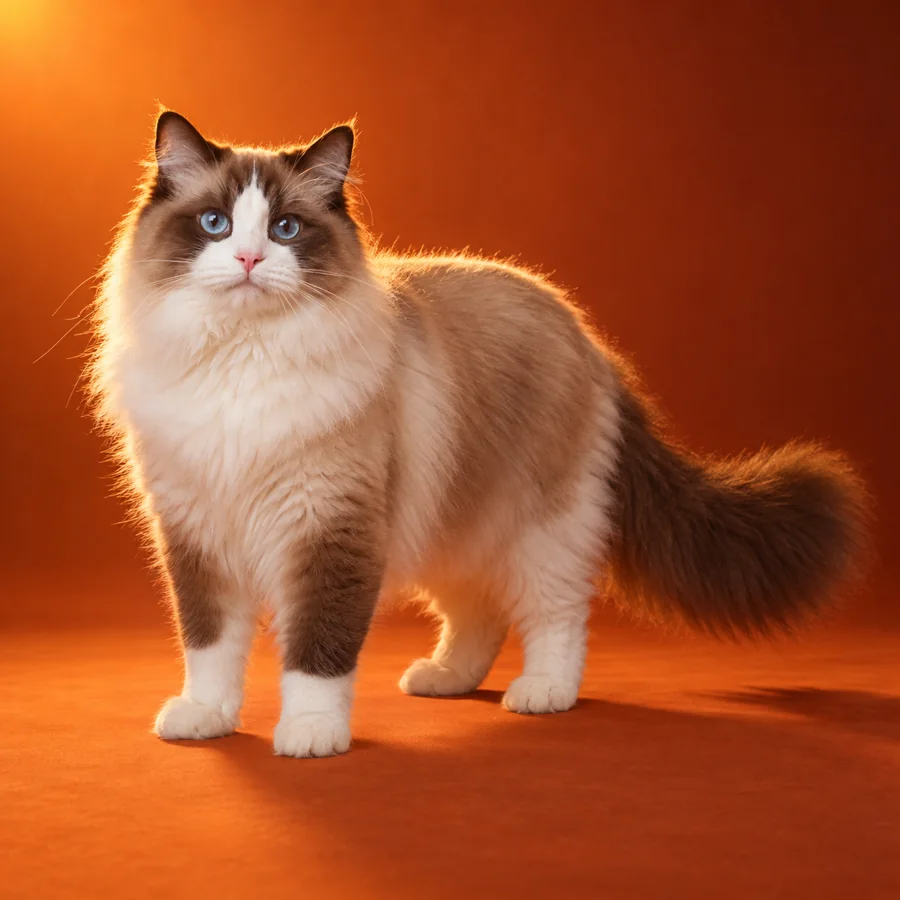
What a Purebred Kitten Actually Costs
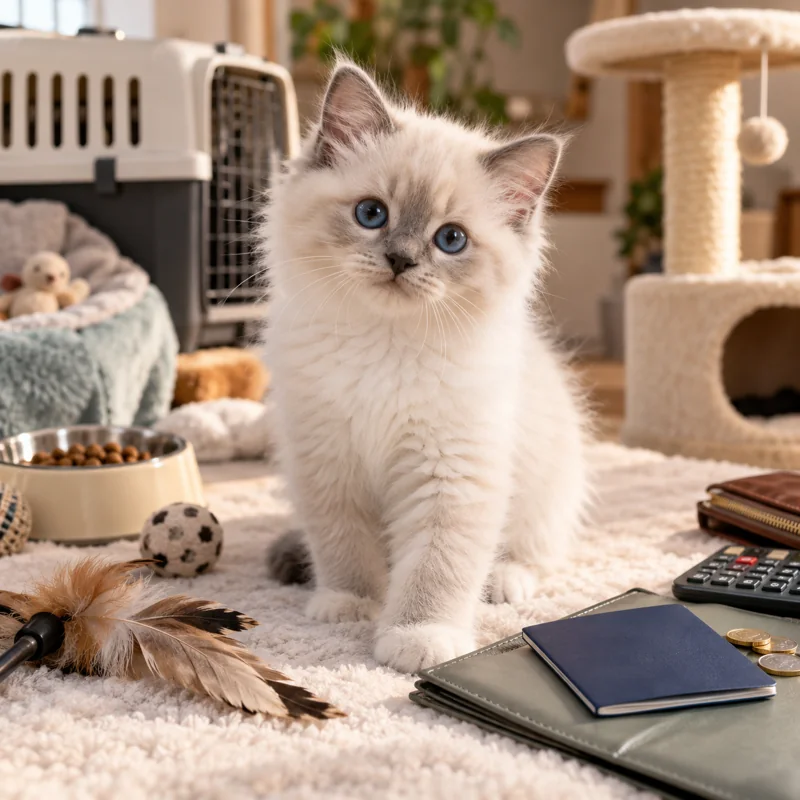
If you've compared prices across kitten breeds, you've probably noticed the range is huge. Let's break down what actually goes into the price — and how to tell an honest offer from a suspiciously cheap one.
What affects the price
- Breed and how rare the color is. Some breeds and colors are objectively harder and more expensive to breed.
- Health care for the litter. Vet visits, vaccinations, checkups, and early socialization are real costs for the breeder — and they're what actually protect you.
- Pet class vs. show class. A companion kitten usually costs less than one with full breeding and show rights.
- Who you buy from. This is where you can save money without giving up anything.
The middleman markup
Many "kitten shops" aren't actually catteries — they're resellers who buy kittens from breeders and add their own markup. You pay more, and you never get to talk to the person who actually raised the kitten. Buying directly from the breeder removes that markup — which is why our price is fair, but never suspiciously low.
Why "too cheap" is a bad sign
A price well below market isn't good luck — it's the most common bait in kitten-scam schemes. A healthy purebred kitten genuinely costs money to raise, so a fair price is a benchmark, not a race to the lowest number online.
What an honest price should include
- A healthy kitten, checked by a vet and vaccinated for its age
- Clear terms with no surprises after the deposit
- A delivery cost you know upfront
Current prices for specific kittens are on our "All Kittens" page — the total price is always shown there, with no hidden add-ons.